Select Page

How to tighten your skin with collagen, diet and skin rejuvenation treatments.

The skin's natural aging with a focus on collagen loss, elasticity and skin quality over time.

The elasticity of the skin changes over the years and changes in the face are one of the most common signs of the skin's natural aging. Many people experience that the skin gradually loses its elasticity, firmness and elasticity, which can lead to a less defined jawline, lack of volume in the cheeks and a reduction in facial features. Fortunately, there are now several effective methods to treat sagging skin on the face, both through proper nutrition, healthy lifestyle habits and modern collagen-stimulating treatments.

If you want to tighten your skin without surgery, it's important to understand why your skin becomes saggy and what measures can actually strengthen your skin's structure in the long term. In this guide, we'll go over the causes of sagging facial skin, how collagen production affects skin firmness, and what treatments can help you maintain youthful skin for longer.

Why does the skin on your face become loose?

Sagging facial skin occurs when the production of collagen, elastin and hyaluronic acid gradually decreases. These substances act as the skin's natural support structure and help keep it feeling firm, hydrated and elastic.
Aging is the most common cause, but several factors can accelerate the development of sagging skin:
  • Genetic
  • Hormonal changes
  • Sun damage
  • Smoking
  • Stress
  • Sleep deprivation
  • Weight changes
  • Nutritional deficiencies
Many people start to notice the first signs after the age of 30 as the body's natural collagen production gradually decreases.

Common signs of sagging facial skin

  • Sagging skin along the jawline
  • Hamster bags
  • Less pronounced cheekbones
  • Lost facial volume
  • Sagging cheeks
  • Heavy eyelids
  • Sagging skin on the neck
  • Deeper nasolabial folds
  • Tired and aged facial profile

Skin aging begins with decreased collagen production

When we talk about sagging skin on the face, it's basically about changes in the skin's supporting tissue. Collagen is the protein that gives the skin its strength and firmness, while elastin allows the skin to return to its original shape after movement and facial expressions.
From around the age of 25, collagen production gradually decreases each year. At the same time, existing collagen breaks down faster than the body can replace it. This leads to the skin becoming thinner, less elastic and more prone to sagging.
To slow down this process, the body needs the right nutrients, sufficient recovery and, if necessary, collagen-stimulating treatments that help the skin rebuild its structure.

Diet that strengthens the skin from within and stimulates collagen

Many people focus on skincare products, but skin quality is built primarily from within. A nutritious diet can provide the body with the building blocks needed to support collagen production and improve skin firmness.

Protein for stronger skin

Collagen is made up of amino acids, making protein one of the most important sources of nutrients for skin health.
Good sources of protein include:
  • Fish
  • Egg
  • Chicken
  • Turkey
  • Legumes
  • Dairy products

Antioxidants protect collagen

Antioxidants help protect skin cells against oxidative stress that can otherwise break down collagen and elastin.
Please eat:
  • Blueberry
  • Raspberry
  • Pomegranate
  • Broccoli
  • Spinach
  • Paprika

Healthy fats for skin elasticity

Omega-3 fatty acids can help maintain skin suppleness and reduce inflammation.
Good sources are:
  • Salmon
  • Mackerel
  • sardines
  • Chia seeds
  • Walnuts
  • Avokado

Treatments for sagging facial skin without surgery

Modern treatments can stimulate the skin's natural collagen production and improve skin firmness without surgery.

Laser Genesis for skin tightening

Laser Genesis is a popular treatment for sagging facial skin because it stimulates collagen formation deep down.
The treatment can improve:
  • Skin elasticity
  • Fine lines
  • Pore ​​size
  • Skin texture
  • Skin radiance

XEO+ IPL and laser treatment

IPL and laser treatment are used to treat:
  • Sun damage
  • Pigment spots
  • Redness
  • Uneven skin tone
  • Early signs of aging
At the same time, the skin's natural collagen production is stimulated.

Microneedling

Microneedling creates microscopic channels in the skin that activate the body's own healing process and increase the formation of new collagen and elastin.
Links for those who want to read more:

Injection treatments for volume, moisture and skin quality

As we age, the changes in our face are not just about the skin. Over time, the amount of fatty tissue, hyaluronic acid and collagen in our face also decreases, which can affect facial volume, contours and skin hydration.
Many people experience their face looking more tired even though the skin itself is still relatively healthy. Loss of volume is often a major cause of sagging cheeks, a less defined jawline, and lines around the mouth and nose becoming more prominent.

Moisturizing injection treatments for skin rejuvenation

An important part of modern skin rejuvenation is strengthening the quality of the skin from the inside. Moisturizing injection treatments can help to:
  • Deep hydration of the skin
  • Improved skin elasticity
  • Increased luster
  • Improved skin texture
  • Stronger skin barrier
  • Even skin tone
By adding moisture-binding substances, the skin's natural processes are stimulated and the skin is better able to maintain its elasticity and vitality.
These treatments are especially popular for people who experience dry skin, dull skin, fine lines, or early signs of skin aging.

Volume treatments for the natural contours of the face

As you age, the natural fat deposits in your face decrease. This can lead to:
  • Sunken cheeks
  • Loss of facial volume
  • Less defined jawline
  • Deeper nasolabial folds
  • Clearer puppet lines
  • A tired or older expression
Volumizing injections are used to restore lost structure and balance to the face. The aim is not to change the appearance but to restore the support that naturally diminishes with age.
When the treatment is carried out with a natural and restrained approach, the results can be:
  • Harmonious facial contours
  • Improved proportions
  • More youthful facial structure
  • Increased supportive effect for the skin
  • Natural results with maintained facial expressions

The combination gives the best results

Today's most successful facial rejuvenation strategy is often based on a combination of:
  • Hälsosam kost
  • Good sleep and recovery
  • Collagen-stimulating treatments
  • Medical skin care
  • Laser treatment and IPL
  • Moisturizing injection treatments
  • Volume-preserving or volume-restoring treatments
By working on multiple levels simultaneously, the skin's quality, structure, elasticity and volume can be optimized over time. The goal is not to stop aging, but to preserve healthy, strong and prosperous skin for as long as possible.

When is surgery an option for sagging facial skin?

When sagging facial skin becomes more pronounced, skin rejuvenation treatments may have limited effect. Surgical options may then be considered.

Eyelid surgery

Blepharoplasty is effective for:
  • Heavy eyelids
  • Drooping eyelids
  • Visual field effects
  • Tired appearance

Neck lift

Neck lift can improve the contour of the neck and reduce the appearance of sagging skin by adapting to individual anatomical conditions.

Facelift

In cases of more extensive skin excess and tissue changes, a facelift is often the most effective treatment to restore the natural contours and firmness of the face.
Links to more information:

Summary: How to treat sagging facial skin

Sagging facial skin is primarily caused by decreased collagen production, decreased elasticity, and natural changes in the skin's supporting tissues. By prioritizing a nutritious diet, good sleep, stress management, and daily sun protection, you can slow down skin aging and strengthen your skin from within.
Collagen-stimulating treatments such as Laser Genesis, IPL, microneedling can contribute to firmer skin, improved skin texture and increased radiance.

By combining deep hydration, stimulation of the skin's natural collagen production and restoration of lost volume, injection treatments can contribute to improved skin quality, increased elasticity and a more balanced and vital expression.
For more extensive changes, eyelid surgery, neck lift or facelift may be current options.
Treating sagging facial skin is not about stopping aging, but about giving the skin the best possible conditions to maintain its strength, quality and natural beauty throughout life.
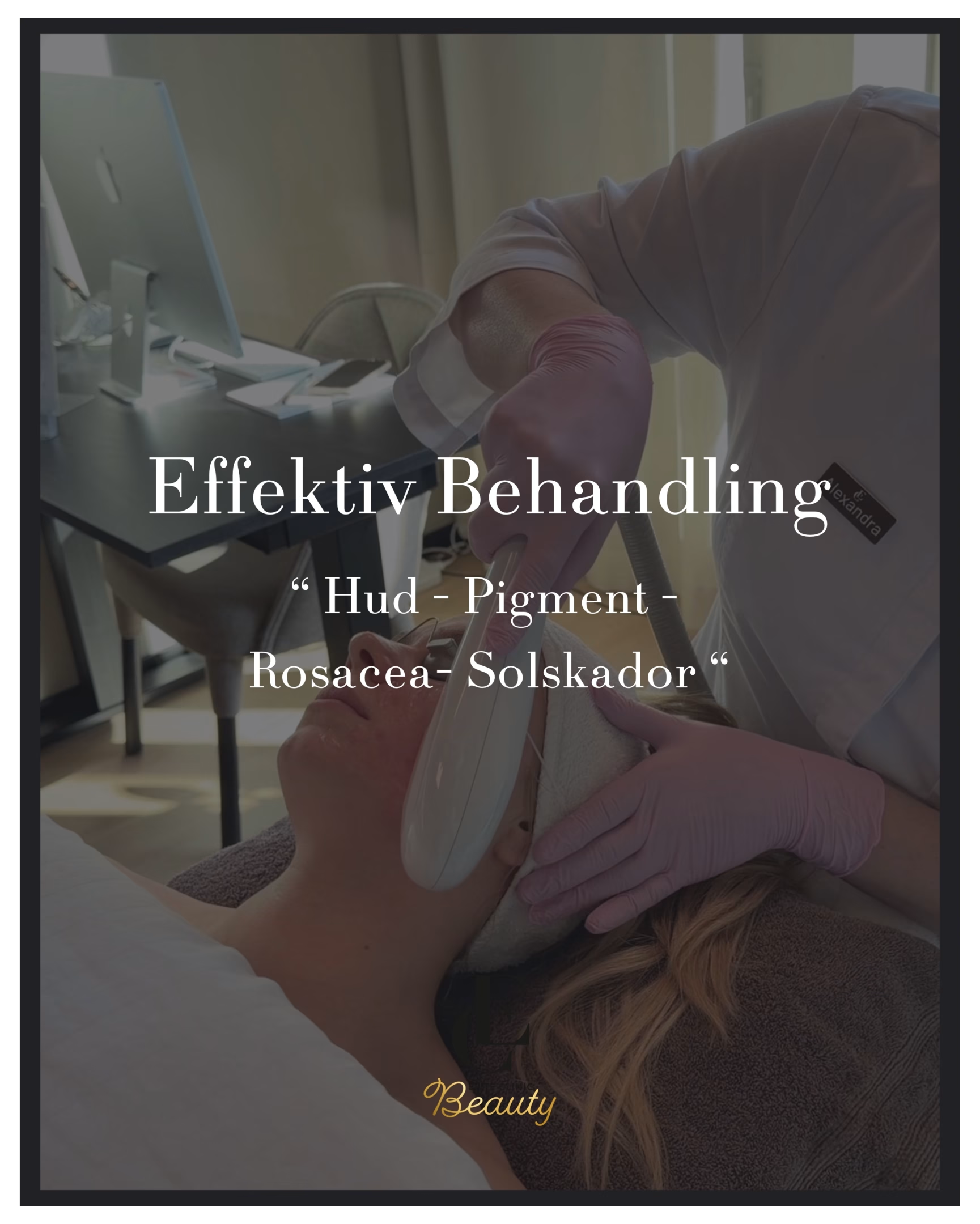
Advanced Skin Rejuvenation for Pigmentation Spots, Redness and Age Marks

XEO+ IPL treats pigment spots, rosacea, redness and sun damage. Effective skin rejuvenation with natural and long-lasting results.

XEO+ IPL and Laser Genesis

XEO+ IPL is an advanced treatment for skin rejuvenation, pigment spots, redness, rosacea and sun damage. On Elite Clinic In Beauty, we use XEO+ IPL together with Laser Genesis to improve skin tone, texture and radiance.

Are you looking for an effective treatment for age spots, redness, rosacea, sun damage or fine lines ? With XEO+ IPL and Laser Genesis® you can improve skin quality, reduce visible skin changes and stimulate collagen production for smoother, clearer and more youthful skin.

On Elite Clinic We offer advanced beauty skin rejuvenation with XEO+ IPL and Laser Genesis, a combination treatment that treats both the skin's surface and deeper layers for natural and long-lasting results.


What is XEO+ IPL and Laser Genesis?

XEO+ IPL and Laser Genesis is a medically developed laser and light treatment that combines two advanced technologies to effectively treat several common skin problems simultaneously.

The treatment is suitable for those who want to improve skin structure, reduce visible signs of aging and achieve a more even skin tone without surgery or a long recovery time.

Limelight IPL for pigment spots and redness

Limelight IPL uses intense pulsed light to treat:

  • Pigment spots
  • Age spots
  • Sun damage
  • Rosacea
  • Facial redness
  • Visible blood vessels
  • Uneven skin tone

The light pulses are absorbed by pigments and vessels in the skin, helping the body break down discolorations and create clearer skin.

Laser Genesis for skin rejuvenation and collagen stimulation

Laser Genesis works deeper into the skin where the heat energy stimulates the production of collagen and elastin.

The treatment can improve:

  • Fine lines
  • Wrinkles
  • Enlarged pores
  • Skin texture
  • Acne scars
  • Skin firmness
  • Skin radiance

The result is smoother, stronger and more youthful skin with improved elasticity.


What can XEO+ IPL and Laser Genesis treat?

XEO+ IPL and Laser Genesis is particularly effective for:
  • Pigment spots
  • Sun-damaged skin
  • Age spots
  • Rosacea
  • Diffuse redness
  • Superficial blood vessels
  • Visible capillaries
  • Uneven skin tone
  • Enlarged pores
  • Fine lines
  • Early wrinkles
  • Dull skin
  • Lost luster
  • Acne
  • Acne scars
  • Skin rejuvenation of the face, neck and décolleté

Benefits of XEO+ IPL and Laser Genesis

One of the biggest advantages of XEO+ IPL and Laser Genesis is that multiple skin problems can be treated during the same treatment series.

Benefits of the treatment

  • Non-surgical skin rejuvenation
  • Natural collagen stimulation
  • Minimal downtime
  • Effective against pigment spots and redness
  • Improved skin texture
  • Increased resilience and elasticity
  • Suitable for most skin types
  • Natural results
  • Short recovery time

Results after XEO+ IPL and Laser Genesis

After a series of treatments with XEO+ IPL and Laser Genesis Many patients experience:
  • Even skin tone
  • Reduced age spots
  • Less redness
  • Fewer visible blood vessels
  • Improved skin texture
  • Less visible pores
  • Increased collagen production
  • Firmer skin
  • Increased luster
  • Softer fine lines
Results continue to develop for several weeks after treatment as the skin's natural collagen production increases.

How does a treatment with XEO+ IPL and Laser Genesis work?

Each treatment is individually tailored based on skin type, skin condition and treatment goals.
XEO+ is equipped with advanced cooling technology that makes the treatment comfortable and gentle. A treatment usually takes between 30 and 60 minutes depending on the treatment area.

Recovery after XEO+ IPL and Laser Genesis

The treatment has minimal recovery time.
After treatment, the skin may be:
  • Slight redness
  • Warm for a few hours
  • Slightly swollen
Pigment spots may temporarily darken before gradually disappearing through the skin's natural renewal process.
Most people can return to work and social activities the same day.

Aftercare after XEO+ IPL and Laser Genesis

For best results, we recommend:
  • SPF 50 daily
  • Avoid direct sun exposure
  • Avoid tanning beds
  • Using moisturizing skincare
  • Avoid retinol and exfoliating acids for 5–7 days
  • Follow the therapist's recommendations
Good sun protection helps maintain the results and protects the skin against new pigment changes.

Why choose Elite Clinic Beauty for XEO+ IPL and Laser Genesis?

On Elite Clinic Beauty we work with advanced medical skin care and professional skin rejuvenation. Our treatments are tailored to each patient's needs to create natural, safe and long-term results.
XEO+ IPL and Laser Genesis is an excellent choice for those who want to reduce age spots, treat redness, improve skin texture and achieve healthier skin with increased radiance.
Book your consultation at Elite Clinic Beauty and discover the benefits of XEO+ IPL and Laser Genesis for skin rejuvenation and skin improvement.

Scars after plastic surgery – what can you expect?

Medical tattooing is an option for people who want to reduce the visibility of self-harm scars. Through individually tailored pigmentation, the scars can become less prominent and blend better into the skin.Frequently asked questions about scars after plastic surgery

How long does it take for a scar to fade?

Most scars mature over 12-18 months. After that, many scars continue to improve and fade gradually. In some cases, scar healing can take even longer depending on individual factors and the location of the scar.

Can scars be completely removed?

No. All surgical incisions leave some form of scar. However, with modern plastic surgery and proper scar treatment, we can create good conditions for the scar to be as discreet as possible.

Does laser help with scars?

Yes. Laser scar treatment can reduce redness, improve skin texture, and make the scar less prominent. However, the best laser for you will depend on the appearance and maturity of the scar.

This is how we create the best possible conditions for a nice scar

One of the most common questions before a plastic surgery operation is:
“Will I get a scar?”
The answer is simple: Yes. All surgical procedures that involve an incision in the skin leave some form of scar. However, there is much we can do to optimize healing and create the best possible conditions for the scar to be narrow, flat, pale and discreet.
How a scar develops after surgery is influenced by several factors:
  • Surgeon's technique
  • The location of the scar on the body
  • Stress and tension in the skin
  • Individual and genetic conditions
  • Aftercare and scar treatment
The goal is not to promise an invisible scar. Instead, we strive to give each patient the best possible conditions for a beautifully healed result.

A beautiful scar begins during surgery

The foundation for good scar healing is already laid in the operating room.
Surgical precision is not only about placing the incision in the right place, but also about handling the tissue as gently as possible. In addition, wound closure plays a crucial role in the final outcome.
When we suture the wound in several layers, we can distribute the tension in the deeper tissues instead of putting direct stress on the skin. This reduces the risk of the scar becoming wide or stretched.
This is a central principle in modern plastic surgery and preventive scar treatment.

Why do some scars heal better than others?

All areas of the body have different conditions for healing.
For example, surgical scars on the face often heal very well thanks to good blood circulation and relatively low stress on the skin.
In areas such as:
  • The sternum
  • The shoulders
  • Upper back
  • The chest
However, there is a greater risk that scars will become red, wide or raised.
At the same time, genetic factors play an important role, which is why two people who undergo the exact same surgery can have completely different scar results.

How does scar healing occur after surgery?

The inflammation phase

Immediately after surgery, the body's natural wound healing process starts.
During this first phase:
  • The body stops the bleeding
  • The body clears away bacteria and damaged tissue
  • The repair process begins
It is therefore important to follow our instructions regarding wound care, showering and hygiene to reduce the risk of complications.

The proliferation phase

After a few weeks, the body begins to form new collagen.
During this period, it is common for the scar to become:
  • RED
  • Fast
  • Thicker
  • Something elevated
This does not normally mean that something has gone wrong. On the contrary, this is a natural part of the body's healing process.

The maturation phase

After that, the healing enters the maturation phase.
During this period, the body gradually reorganizes the collagen. As a result, the scar usually becomes:
  • Softer
  • Flatter
  • Bleacher
This process can last 12-18 months and sometimes even longer.

Taping and silicone treatment of scars

Once the wound has healed sufficiently, we often begin active scar treatment.

Scar taping

Tape, such as Micropore, can help to:
  • Reduce skin traction
  • Relieve the scar
  • Improve healing conditions

Silicone tape and silicone gel

In addition, we often use silicone-based products for scar treatment.
Silicone treatment is one of the most well-documented methods for preventing and treating hypertrophic scars.
The benefits include that silicone can:
  • Reduce redness
  • Reduce raised scars
  • Help the skin maintain the correct moisture balance
  • Improve scar structure over time
We adapt the choice between tape and silicone individually based on the type of surgery, skin type and how healing progresses.

When should a problematic scar be treated?

In the past, people often waited until the scar had fully matured before starting treatment.
Today, however, we know that early action often yields better results.
Signs that a scar should be evaluated include:
  • Severe redness
  • Itching
  • Pain
  • Thickening
  • Raised areas
  • Continued active scar growth
If these symptoms occur, we can, for example, treat the scar with cortisone injections, laser or other modern treatment methods.

Laser treatment of scars – a modern and effective method

Laser treatment has become an important tool in modern scar treatment.
We use different types of lasers depending on the problems we want to treat.

Vascular lasers

Vascular lasers primarily help to:
  • Reduce redness
  • Treat visible blood vessels
  • Calm active scars

Fractional laser

Fractional laser can:
  • Improve skin texture
  • Reduce unevenness
  • Stimulate new collagen formation
  • Improve scar quality
We always adapt the laser treatment to the appearance of the scar, its maturity and the patient's individual conditions.

Microneedling for scars

In selected cases, we use microneedling to improve the skin's structure and stimulate the body's natural healing process.
The treatment is mainly suitable for:
  • Irregular scars
  • Structural skin changes
  • Improvement of skin quality after healing
At the same time, the right timing is crucial to achieving the best possible results.

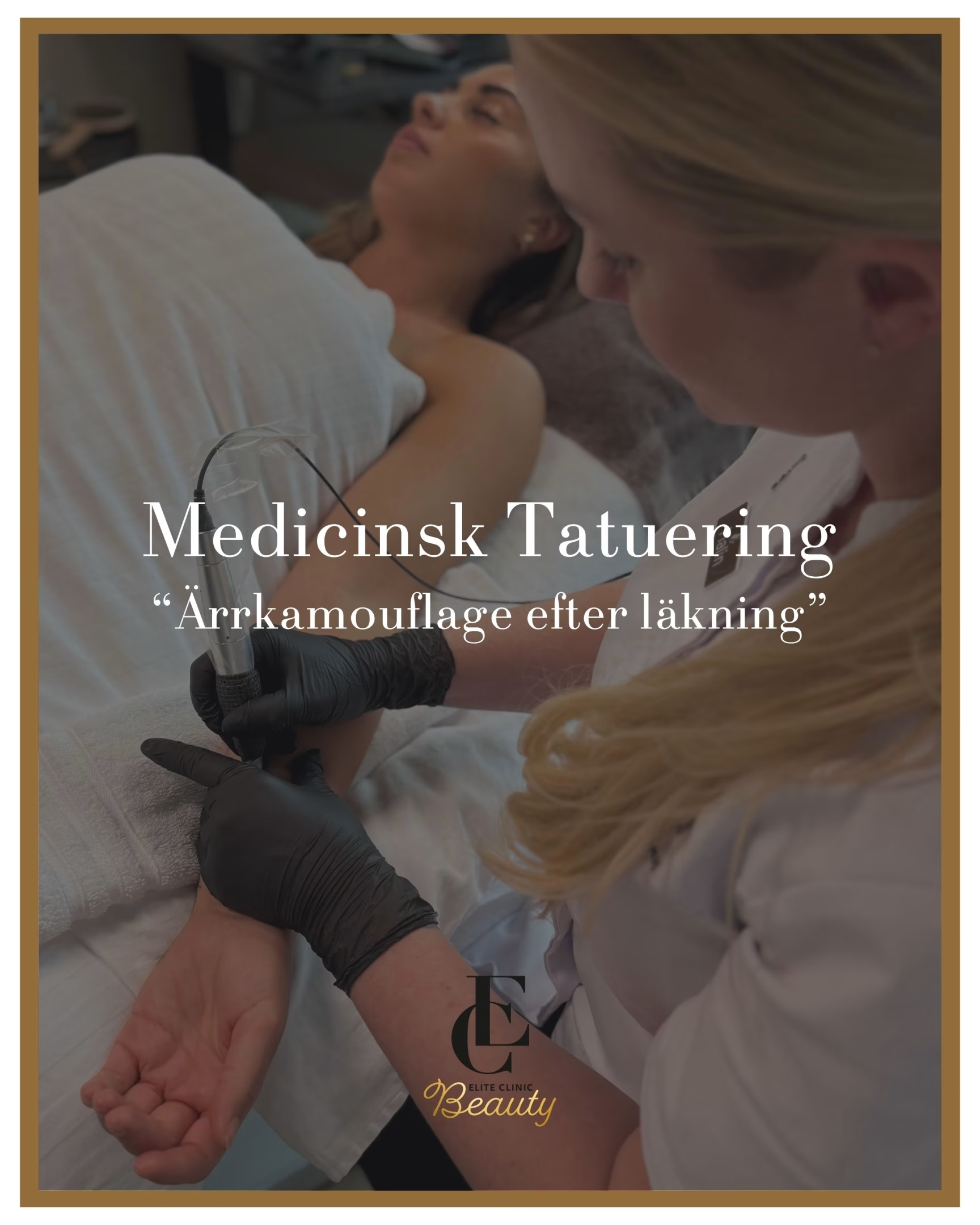
Medical tattooing and scar camouflage

Even a well-healed scar can sometimes be lighter than the surrounding skin.
When the scar is fully mature, usually after a year or more, medical tattooing or scar camouflage may be an option.
By matching the area to the surrounding skin color, we can:
  • Reduce visible color differences
  • Make the scar less prominent
  • Further improve the cosmetic result
This does not affect the healing itself but serves as a final aesthetic step when the scar is stable.

Our philosophy regarding scar treatment after plastic surgery

We do not view scar treatment as a single measure. Instead, we view it as a process that begins even before surgery and continues throughout the healing process.

Our treatment strategy

Careful surgery → Unloaded suturing → Individual wound care → Tape or silicone → Regular follow-up → Laser treatment if necessary → Medical tattooing when the scar is fully mature
We can never guarantee that a scar will be completely invisible. However, through experienced surgical technique, modern scar treatment and careful follow-up, we can give each scar the best possible chance to become flat, pale and discreet.

Longevity and plastic surgery – modern facial rejuvenation with natural results.

How are longevity and plastic surgery related? For me, modern facial rejuvenation is not just about surgery but about a holistic perspective on health, quality of life and natural results throughout the aging process.

I recently attended the annual meeting of the Swedish Society for Aesthetic Plastic Surgery in Stockholm. It was an inspiring meeting with lectures in several areas that are close to our hearts, including facelift surgery, different types of facelifts, and body contouring after major weight loss, with arm plastic surgery, thigh plastic surgery, and abdominoplasty.
But one of the topics that aroused the most interest was longevity, i.e. how we can create the conditions for a long, healthy and active life as possible through our life choices.

What does longevity and healthy aging mean?

Longevity is fundamentally about things we have long known are important: not smoking, moving and exercising regularly, eating good, nutritious food with lots of fiber, and trying to maintain a healthy weight.
For example, smoking affects both general health and skin quality and is also something we in plastic surgery know can impair wound healing.
For me, longevity is not just about living a long life, but also about feeling good during the years we live.

GLP-1 drugs and plastic surgery after weight loss

Another current area is the new GLP-1-based drugs for weight treatment. They have changed the possibilities for treating overweight and obesity and have also meant that we in plastic surgery are seeing more and more patients after significant weight loss.
Many of these patients have achieved a great improvement in their health but may also experience excess skin or changes in body and facial proportions after weight loss.

Facial rejuvenation after weight loss

When you lose a lot of weight, you not only lose fat from your body, but often also volume in your face. The face can then feel more sunken and the skin more protruding.
Therefore, it is not always enough to simply tighten the skin during a facelift. For us, it is important to also assess the volume of the face and, if necessary, restore part of it with the patient's own fat.

Facelift It's not just about tightening the skin

It fits well with how we Elite Clinic We are now developing our concept around facial rejuvenation. We want to see the treatment as a whole, before, during and after the surgery.
Before surgery, the skin can be prepared and optimized with individually tailored treatments, such as laser, peeling or microneedling. Which treatment is suitable depends on skin type, skin quality and what we want to achieve together.
The surgery itself is tailored in the same way. For some, it involves a lower facelift and neck lift, while others may need a more extensive facelift combined with, for example, a brow lift, upper or lower eyelid surgery.
In some cases, a lip lift, where an age-related lengthened upper lip is shortened, or correction of elongated earlobes can also contribute to a harmonious whole.

Fat grafting for natural facial volume

An important part is also restoring lost volume. We use fat transplantation to selected areas of the face when appropriate.
The goal is not to create a new face but to try to restore proportions and features that have changed over the years. The best results are often achieved when we combine tissue lifting with restoration of natural volume.

Aftercare and long-term results

The time after surgery is also important. We therefore work with a structured aftercare program that may include treatments aimed at supporting healing and reducing swelling, such as light therapy and lymphatic therapy.
Once the healing process is further along, we can also work actively with scar treatment, including laser treatment when appropriate.
A scar continues to mature for a long time, often around a year. For some patients, medical pigmentation may then be an additional option to make a fully healed scar less prominent.

Longevity and plastic surgery – recognizing oneself

For me, the connection between longevity and plastic surgery is very interesting. Longevity is not just about how long we live, but also about how we feel during those years.
Plastic surgery, of course, cannot stop aging and is never a substitute for exercise, good nutrition, or other healthy lifestyle habits. But for the right patient, it can help make the outside more consistent with how you feel on the inside.
That is the whole we want to continue developing. Elite Clinic: a long and healthy life and the ability to recognize yourself when you look in the mirror.
Dr. Richard Lewin
Specialist in plastic surgery
Elite Clinic

Dr. Richard Lewin on longevity, facial rejuvenation, facelift and natural results in modern plastic surgery.

Medical tattoo for self-harm scars – Scar camouflage after healing.

Frequently asked questions about medical tattooing and scar camouflage

Can you get a tattoo over self-harm scars?

Yes, if the scars are fully healed and deemed suitable for treatment. An individual consultation is always required before a decision is made.

Does medical tattooing work on white scars?

Yes. White scars are often one of the most common reasons for seeking scar camouflage. However, results vary between individuals.

Does medical tattooing hurt?

The experience varies depending on the individual, the area of ​​skin and the nature of the scar. Most describe the treatment as manageable.

How long does scar pigmentation last?

The results are long-lasting but may need to be maintained over time. Skin type, sun exposure and the body's individual processes affect durability.

Can all self-harm scars be treated?

No. Some scars may not be suitable for pigmentation, so consultation and professional assessment are always required before treatment.

When can I book treatment?

Only when the scars are fully healed and stable. In most cases, it is recommended that at least 12 months have passed since the injury occurred.
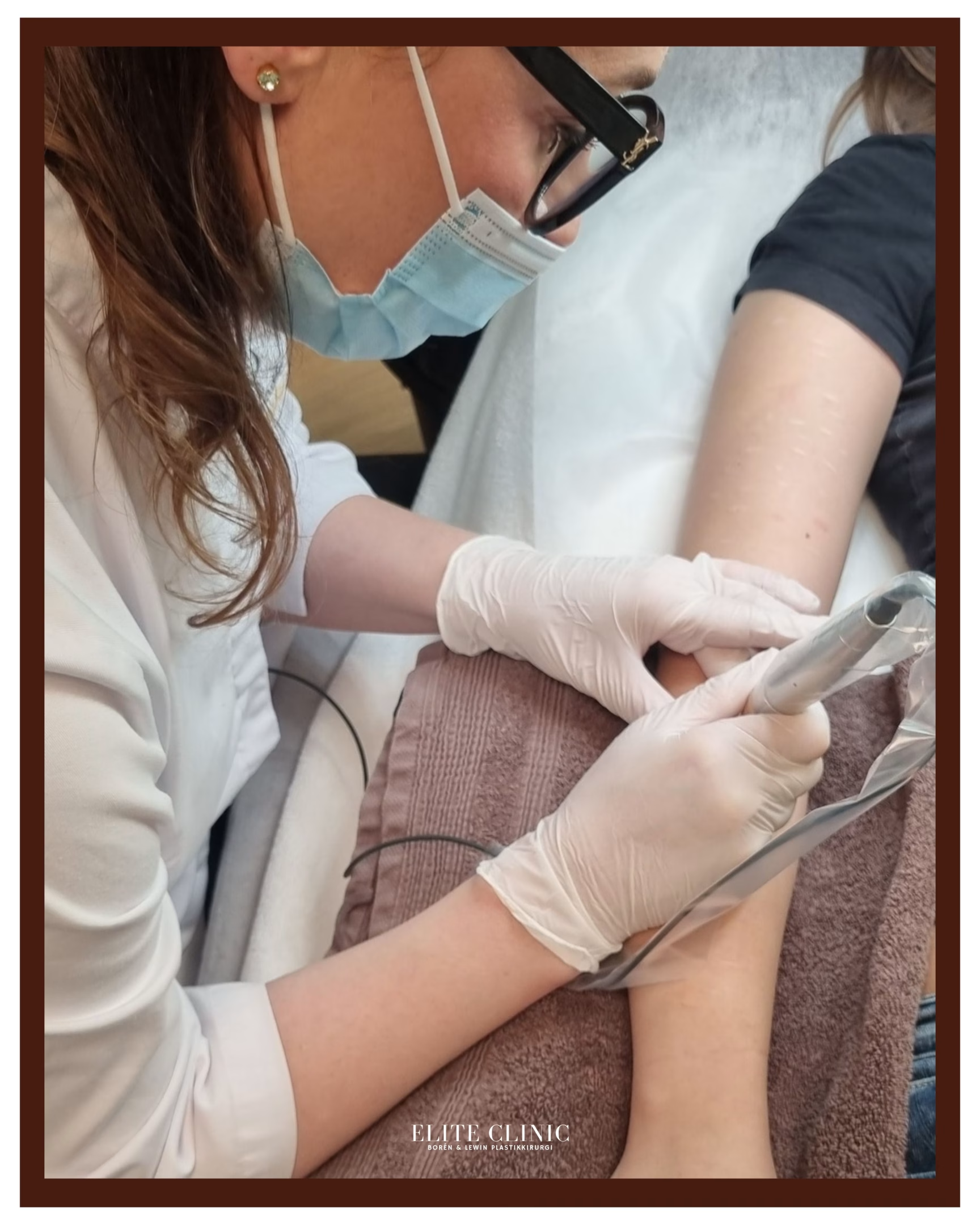
For many who have lived with self-harm, scars can be a constant reminder of a difficult period in life. Once the scars are fully healed and recovery is well underway, medical tattooing, also known as scar camouflage or paramedical micropigmentation, can be an option to reduce the visibility of scars and create a more even skin tone.
The goal of the treatment is not to make the scars disappear completely, but to make them less prominent by adapting the pigment to the surrounding skin.

Living with self-harm scars.

Self-harm scars can affect both self-esteem and well-being. Many people choose to cover their arms, legs or other body parts to avoid questions or attention from those around them.
It is important to remember that scars do not define a person. For many, they are a sign of a period that has passed and an ongoing journey towards recovery and healing.
For those who wish to reduce the visibility of scars, scar pigmentation and medical tattooing for self-harm scars may be an option once the skin has fully healed.

What is medical tattooing?

Medical tattooing, also called paramedical tattooing or micropigmentation, is a treatment where specially adapted pigments are introduced superficially into the skin to camouflage scars and color differences.
When treating self-harm scars, the pigments are carefully matched to your natural skin tone to make the scars blend in better with the surrounding skin.

How does scar camouflage work?

During a consultation, a careful assessment of the appearance, structure and degree of maturity of the scar is first made.
Then:
  1. Skin tone is analyzed
  2. Pigments are selected for the best possible color match
  3. Pigment is gently introduced into the skin
  4. The healing process is followed up as necessary.
The results develop gradually over several weeks after treatment.
The goal is to create a more natural skin appearance where scars become less visible in everyday life.

When can self-harm scars be treated with medical tattooing?

Medical tattooing should only be performed on scars that are fully healed and stable.
In most cases, the scar needs to be:
  • At least 12 months old
  • Bright and fully healed
  • Free from inflammation
  • Stabilized in color and structure
Each person heals differently, so an individual assessment is always made before treatment begins.

What scars can be treated with medical tattooing?

Medical tattooing, also called scar camouflage or paramedical pigmentation, can be used for many different types of healed scars where the skin has taken on a lighter color or a clear color difference compared to the surrounding skin.
The treatment may be suitable for:

Self-harm scars

Healed self-harm scars that are stable and fully healed can often be camouflaged with pigment matching to reduce the contrast against the surrounding skin.

Facelift scars (Facelift scars)

Scars after a facelift, facelift or other aesthetic facial surgery can in many cases be treated with medical tattooing. The pigments are individually adjusted to help the scars blend in better with the surrounding skin tone.

Surgical scar

Scars from surgical procedures, such as cesarean sections, abdominoplasty, breast surgery, or orthopedic surgery, can often be treated once they are fully healed.

Breast surgery scars

Scars after breast augmentation, breast lift, breast reduction or breast reconstruction may be suitable for scar camouflage after individual assessment.

Burn scars

Some healed burns can be treated to create a more even skin tone and reduce visible color differences.

Abdominoplasty scar

Abdominoplasty scars are one of the most common scars treated with medical tattooing once the healing process is complete.

Cesarean section scar

Healed cesarean section scars can in many cases be camouflaged to reduce the visibility of the scar.

Scars from skin injuries or accidents

Scars that have arisen after injuries, wounds or accidents can sometimes be treated if the skin is stable and fully healed.

White or light scars

Medical tattooing is specifically developed for scars that have lost their natural pigment and have therefore become white or significantly lighter than the surrounding skin.

Benefits of medical tattooing for self-harm scars.

Many people find that the treatment provides:
  • Less visible scars
  • Even skin tone
  • Increased confidence in social situations
  • Reduced concern about the appearance of scars
  • A more harmonious overall impression
For many, treatment is about more than aesthetics. It can be part of leaving a previously difficult period behind.

A safe and professional treatment process.

We work with a focus on safety, realism and individual conditions.
The treatment includes:
  • Individual consultation
  • Assessment of scar healing rate
  • Skin tone analysis
  • Pigment adaptation
  • Treatment
  • Follow-up and aftercare advice
We always inform you about both possibilities and limitations before treatment.

Important to know

Medical tattooing is not a treatment for ongoing self-harm. The treatment is intended for people who are in a stable phase of their recovery and whose scars are fully healed.
Results vary between individuals depending on skin type, the nature of the scar, and the body's healing ability.

Conclusion

Medical tattooing for self-harm scars, also known as scar camouflage or scar pigmentation, can be an option for people who want to reduce the visibility of healed scars. Through customized pigments and careful color matching, skin tone can be perceived as more even and scars can be less prominent.
A professional consultation and individual assessment are always the basis for creating safe and realistic results.

Do you want to know if your scars can be treated? Here you can read more

Book a consultation for an individual assessment of your scars and receive professional guidance on the possibilities of medical tattooing and scar camouflage.
Medical tattoo for self-harm scars – Scar camouflage after healing.

What is laser treatment? A guide to modern skin care and skin rejuvenation. 

Laser treatment is today one of the most effective and scientifically proven methods in advanced skin care. With modern laser technology, you can treat everything from pigment spots, rosacea and visible blood vessels to acne scars, skin texture and signs of aging.

On Elite Clinic We work with medically advanced laser technology where each treatment is adapted to skin type, skin condition and individual goals.

What is laser?

Laser is concentrated light with a specific wavelength that is directed at a selected target in the skin. Depending on the type of laser used, the treatment can affect:

  • Pigment spots
  • Redness and vessels
  • Rosacea
  • Acne and acne scars
  • Skin structure
  • Enlarged pores
  • Sun-damaged skin
  • Collagen production
  • Unwanted hair growth

The goal is to improve the quality of the skin without affecting the surrounding tissue more than necessary.

How does laser treatment work?

Each laser is developed for a specific purpose. When the laser light hits the skin, the energy is absorbed by a selected structure, such as pigment, blood vessels or water in the skin tissue.

The body then starts a natural repair process that can:

  • Break down pigments
  • Reduce blood vessels and redness
  • Stimulate new collagen formation
  • Improve skin elasticity
  • Even out skin tone and texture

That is why lasers are used for both medical and aesthetic skin treatments.

What can be treated with laser?

Laser against pigment spots

Pigment changes often occur as a result of sun damage, hormonal changes or inflammation in the skin. With the right laser technique, pigment spots can be gradually reduced for a more even skin tone.

Common conditions:

  • Sunspots
  • Age spots
  • Post-inflammatory pigmentation
  • Some types of melasma

Laser for rosacea and redness

Vascular lasers are used to reduce:

  • Diffuse redness
  • Rosacea
  • Superficial blood vessels
  • Broken vessel wall

Many patients experience a clear improvement after just a few treatments.

Laser for skin rejuvenation

One of the most sought-after treatments today is laser skin rejuvenation.

By stimulating the skin's own collagen production, you can improve:

  • Skin elasticity
  • Fine lines
  • Pore ​​size
  • Skin texture
  • Luster

At Elite Clinic We use Laser Genesis for patients who want to work long-term with skin quality and a natural age-well result.

Is laser treatment safe?

Laser is an advanced medical treatment that requires in-depth knowledge of skin anatomy, healing processes and different skin types.

When performed by trained personnel after medical assessment, laser is a very safe method. However, improperly performed treatments can increase the risk of:

  • Burns
  • Pigment changes
  • Scarring
  • Prolonged redness

Therefore, the choice of clinic and therapist is crucial for both safety and results.

Who is suitable for laser treatment?

Most healthy people can undergo laser treatment after an individual consultation.

Before treatment, an assessment is always made of:

  • Skin type
  • Skin conditions
  • Medical history
  • Drug
  • Sun habits
  • Expectations for results

A professional analysis is the basis for a safe and effective treatment plan.

Laser treatment at Elite Clinic Beauty in Gothenburg

On Elite Clinic We combine medical expertise with the latest technology in aesthetic skin care. Our focus is not only on treating individual skin problems but on long-term improvement of skin health, quality and the aging process.

Want to know which laser treatment is right for you? Book a consultation and we will help you find the right treatment based on your skin and your goals.

Read more about our Laser treatments

Laser treatment is used to treat pigment spots, veins, acne, scars and unwanted hair growth.

Migraine surgery – A treatment option for chronic migraine

Do you suffer from chronic migraines? For many, migraines affect work, family life, and quality of life. But there are several treatment options to evaluate, including migraine surgery for selected patients.

Read more here: https://eliteclinic.se/migrankirurgi

Patient with severe migraine and headache evaluating different treatment options for chronic migraine.

Migraines can cause severe headaches, sensitivity to light, and nausea. Learn more about different treatment options, including migraine surgery for selected patients.

Many people who live with migraines experience recurring headaches, sensitivity to light and sound, nausea, and difficulty functioning in work, family life, and everyday life.

For some, medication provides good relief, while others continue to have problems despite various treatments. Therefore, it may be valuable to investigate what other treatment options are available.

Alternative treatments for migraines

The choice of treatment depends on the type of migraine, symptoms and individual circumstances. After a medical assessment, the following treatment options may be considered:
  • Drug treatment for migraine
  • Botulinum toxin treatment (Botox) for chronic migraine
  • Nerve blocks
  • Lifestyle changes and stress management
  • Physiotherapy and rehabilitation
  • Migraine surgery for selected patients
All patients are different, and treatment is always tailored to the individual's needs and medical history.

Migraine surgery – a possible treatment for chronic migraine

Research shows that migraines in some patients may be linked to irritation or pressure on specific nerves in the head and facial area. Migraine surgery aims to reduce this nerve impact by relieving pressure on the areas thought to trigger or aggravate migraine attacks.
For the right patient, migraine surgery can be a treatment option when other methods have not been effective. Before considering a surgical procedure, a thorough investigation and specialist assessment is always required.

Who is eligible for migraine surgery?

Migraine surgery may in some cases be an option for people who:
✔ Have a diagnosed migraine disease
✔ Suffer from long-term or recurring migraine attacks
✔ Not achieved sufficient improvement with previous treatments
✔ Has identifiable trigger points or nerve areas that are linked to migraine symptoms
An individual specialist assessment is always necessary to determine whether surgical treatment is appropriate.

Book a consultation for migraine surgery assessment

Would you like to know if migraine surgery or other treatment options may be appropriate for you? During a consultation, we will review your migraine history, previous treatments, and your current symptoms to assess what next steps may be appropriate.

Offer during International Migrants Day

To mark International Migrant Day, we offer during week 38:
✨ 50% discount on migraine surgery assessment consultation with Dr. Reza Tabrisi.
Take the opportunity to get a specialist assessment and find out what treatment options are available for your particular migraine.

Skin cancer and malignant melanoma

Skin cancer and malignant melanoma are increasing in Sweden

Skin cancer and malignant melanoma are increasing in Sweden. At the same time, early detection can make a big difference. Learn to recognize common warning signs, risk factors and when you should book a spot check for a professional assessment.

Skin cancer and malignant melanoma are some of the most common forms of cancer in Sweden and the number of cases continues to increase every year. Therefore, it is important to know the risk factors and pay attention to changes in the skin.
Doctors diagnosed over 5,600 people with malignant melanoma in Sweden in 2024.

At the same time, more than 12,000 people were diagnosed with other forms of skin cancer. This development underlines the importance of regular skin checks and early detection.

By learning to recognize warning signs and seeking care in a timely manner, the chances of successful treatment can be significantly improved.

Early detection of skin cancer can save lives

The good news is that skin cancer and malignant melanoma can often be treated successfully if detected early. When doctors identify and assess a skin lesion at an early stage, the prognosis is usually very good. Today, about nine out of ten people diagnosed with malignant melanoma survive.
Therefore, we recommend regular skin checks, especially if you have many birthmarks, fair skin type, previous sun damage or a family history of skin cancer.
The earlier a doctor examines a suspicious skin lesion, the better the chances for effective treatment.

Common signs of skin cancer and malignant melanoma

We at Elite Clinic Beauty would like to encourage everyone to check their skin regularly. Pay particular attention to:
  • New birthmarks
  • Changes in existing birthmarks
  • Dark or irregular pigmentation changes
  • Skin lesions that grow, itch, or bleed
  • Wounds that don't heal
  • Spots that change shape, color, or size
If you notice a skin change that looks different or is of concern, you should seek professional assessment as soon as possible.

When should you book a spot check?

A spot check can be an easy way to get a professional assessment of a skin change.
It may be especially important to book a check-up if:
  • A birthmark changes over time
  • You get new pigment changes in adulthood
  • A skin lesion itches, bleeds, or grows
  • You feel insecure or worried about a change in your skin
👉 Read more about our spot check:
https://eliteclinic.se/prickkontroll/

Risk factors for skin cancer

Several factors can increase the risk of skin cancer and malignant melanoma, including:
  • Repeated exposure to strong sun and UV radiation
  • Sunburns, especially during childhood
  • Use of solarium
  • Light skin, light hair and light eyes
  • Many birthmarks
  • Heredity and family history of skin cancer
Protecting the skin from UV radiation is an important part of preventive work.

Read more about skin cancer and malignant melanoma

Do you want to learn more about skin cancer, risk factors and early warning signs?
Please visit:
There you will find information about different types of skin cancer, how to recognize early symptoms, preventive measures and when it is appropriate to seek care.

Knowledge about skin cancer saves lives

The more people who know the signs of skin cancer and malignant melanoma, the greater the chance that the disease will be detected in time.
Please help spread the knowledge to family, friends and colleagues.
Are you worried about a skin change?
Book a spot check and get a professional assessment of your skin. Book an appointment HERE
💙 Together we can help more people detect skin cancer and malignant melanoma at an early stage.

mole check Gothenburg – check for birthmarks – skin changes doctor – check for skin cancer – malignant melanoma symptoms

Breast Reduction – For Increased Comfort and Quality of Life

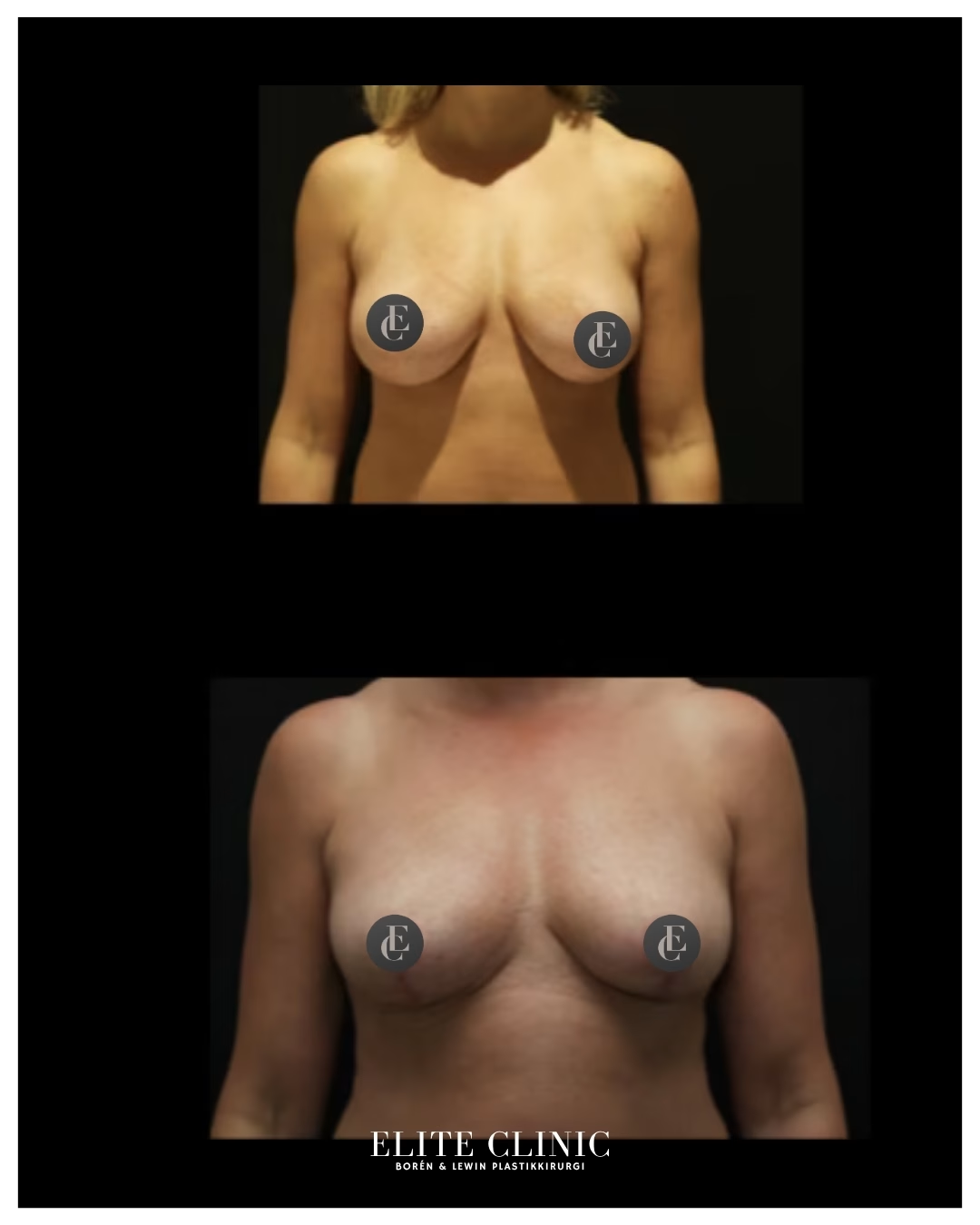
Results after breast reduction

Results after breast reduction. Many patients choose breast reduction to increase comfort, improve freedom of movement, and create better balance between the breasts and the body.

Before and after breast reduction with natural and proportional results

Example of results after breast reduction in an adult patient. Results are individual and are affected by anatomy, healing and lifestyle factors.

What is a breast reduction?

Breast reduction, also known as breast augmentation, is a plastic surgery procedure that reduces the size, weight, and volume of the breasts. Many women choose the procedure because large and heavy breasts can cause both physical discomfort and limitations in everyday life.
During the operation, the surgeon removes excess breast tissue, fat and skin. At the same time, the surgeon shapes the breasts to create a natural, harmonious and proportionate result. This allows the body to feel more balanced and comfortable.
Many patients also experience increased freedom of movement, improved comfort and a higher quality of life after breast reduction.

When might a breast reduction be appropriate?

Large breasts can affect both everyday life and well-being. That's why many people consider breast reduction when the problems begin to limit their quality of life.
A breast reduction may be an option for those who experience:
  • Back pain, neck pain, or shoulder pain
  • Deep marks from bra straps
  • Skin irritation or eczema under the breasts
  • Difficulty exercising or being physically active
  • Feeling of heaviness and discomfort in the upper body
  • Trouble finding clothes that fit comfortably
  • Limitations in work, exercise, or leisure activities
To ensure that the treatment is right for you, we always conduct an individual consultation and medical assessment together with a specialist surgeon.

How is a breast reduction performed?

During a breast reduction, the surgeon removes excess breast tissue, fat, and skin to reduce the size and weight of the breasts. The surgeon then reshapes the breasts to create a natural and balanced contour.
In most cases, the surgeon also moves the nipple and areola to a higher position, giving the breasts a more proportionate and youthful appearance.
The surgeon usually performs the operation under general anesthesia. In addition, the surgeon adapts the treatment plan to your anatomy, your wishes, and your medical conditions.

Recovery after breast reduction

After surgery, it is normal to experience:
  • Swelling
  • Tenderness
  • Tension in the breasts
  • Temporary sensory impairment
Most patients can return to light daily activities within a few days. However, you should avoid exercise and heavy physical activity for the period recommended by your surgeon.
Healing occurs gradually. At the same time, swelling gradually decreases and tissues stabilize. Therefore, the result continues to develop for several months after surgery.

Breast reduction results

Many patients notice a clear improvement shortly after surgery. The benefits vary from person to person, but commonly experienced effects include:
  • Reduced strain on the back, neck and shoulders
  • Increased freedom of movement
  • Better conditions for physical activity
  • Improved posture
  • Increased comfort in everyday life
  • A more balanced body silhouette
The result is individual and is influenced by, among other things, anatomy, healing ability, weight changes and lifestyle factors.

Frequently asked questions about breast reduction:

Does the surgery hurt?

It is normal to feel some soreness and discomfort after surgery, but most people can manage the discomfort well with prescribed pain relief and proper aftercare.

Will I get scars?

Yes, all surgical procedures leave scars. The location and extent of the scars vary depending on the surgical technique and individual circumstances. However, over time, the scars usually fade.

How long do the results last?

The results are long-lasting. However, natural aging, pregnancy and weight changes can affect the shape of the breasts over time.

Important information:

As with all surgery, there are risks and possible complications, so the surgeon will carefully review expected results, risks, recovery, and any limitations during the consultation.
A thorough medical assessment and realistic expectations also create better conditions for safe and secure treatment.

Book a consultation for breast reduction

Are you considering a breast reduction? Our experienced plastic surgeons offer personal advice and an individual assessment based on your needs and wishes.
Surgical procedures are only performed after medical assessment. Consultation and treatment are for adults over 18 years of age.

Facelift in Gothenburg – from New York to Elite Clinic

Image from international training in facelift and facial surgery. Elite Clinic in Gothenburg uses modern techniques such as deep plane facelift to create natural and long-lasting results.

Are you looking for a facelift in Gothenburg with natural results?
On Elite Clinic We combine international expertise with modern techniques such as deep plane facelift.

From New York to Gothenburg – the facelift of the future

Black Tie. New York City. A crucial meeting place for the world's leading plastic surgeons.
When experts gathered for the NYC Facelift & Rhinoplasty Master Course™ 2026, led by Dr. Kassir, Dr. Richard Lewin represented Elite Clinic from Gothenburg.
Here, the experts not only discussed technology – they also shaped the future of facelifts and facial lifts. At the same time, they developed new methods that produce more natural results.
That's why we bring the latest knowledge directly to our patients in Gothenburg.

Natural results – the new standard for facelift

Today, most people don't want to change their appearance drastically.
Instead, they want to look fresher, more rested and natural.
Therefore, more and more surgeons are using modern technology:

Deep plane facelift

Unlike traditional methods, the surgeon works deeper into the structure of the face.
This means we treat the cause of aging – not just the skin.
In addition, the treatment provides:
  • A natural result
  • An improvement even in movement
  • A long-lasting effect
  • Less risk of a tight appearance
Overall, we create a more harmonious and realistic result.

Why choose a facelift in Gothenburg? Elite Clinic?

To achieve the best possible results, both experience and continuous development are required.
That is why our surgeons regularly participate in international training and master's courses.
This way we stay up to date with the latest technologies.
With us you get:
  • Modern methods in facelift and facial surgery
  • High surgical precision
  • Natural and balanced results
In other words, you get international expertise – directly in Gothenburg.

Deep plane facelift in Gothenburg – discreet but effective

This method is suitable for those who want a subtle result.
For example, we can help you to:
  • Look more alert and rested
  • Improve sagging skin
  • Define the jawline
  • Reduce deep lines
At the same time, we preserve your natural facial features.
The result is therefore clear – but never exaggerated.

A holistic view of aesthetic surgery

At Elite Clinic We focus on strengthening – not changing.
Every face is unique, which is why we tailor each treatment individually.
In addition, we take into account both anatomy and your personal goals.
We combine medical knowledge with aesthetic understanding.
In this way, we create natural results that last over time.
At the same time, our international continuing education gives you extra security as a patient.

Book a consultation in Gothenburg

Are you curious about a facelift or deep plane facelift in Gothenburg?
Then your journey begins with a personal consultation.
During the meeting, we will go over your goals and recommend the right treatment.
Book your consultation at Elite Clinic in Gothenburg
– and take the first step towards a natural result.